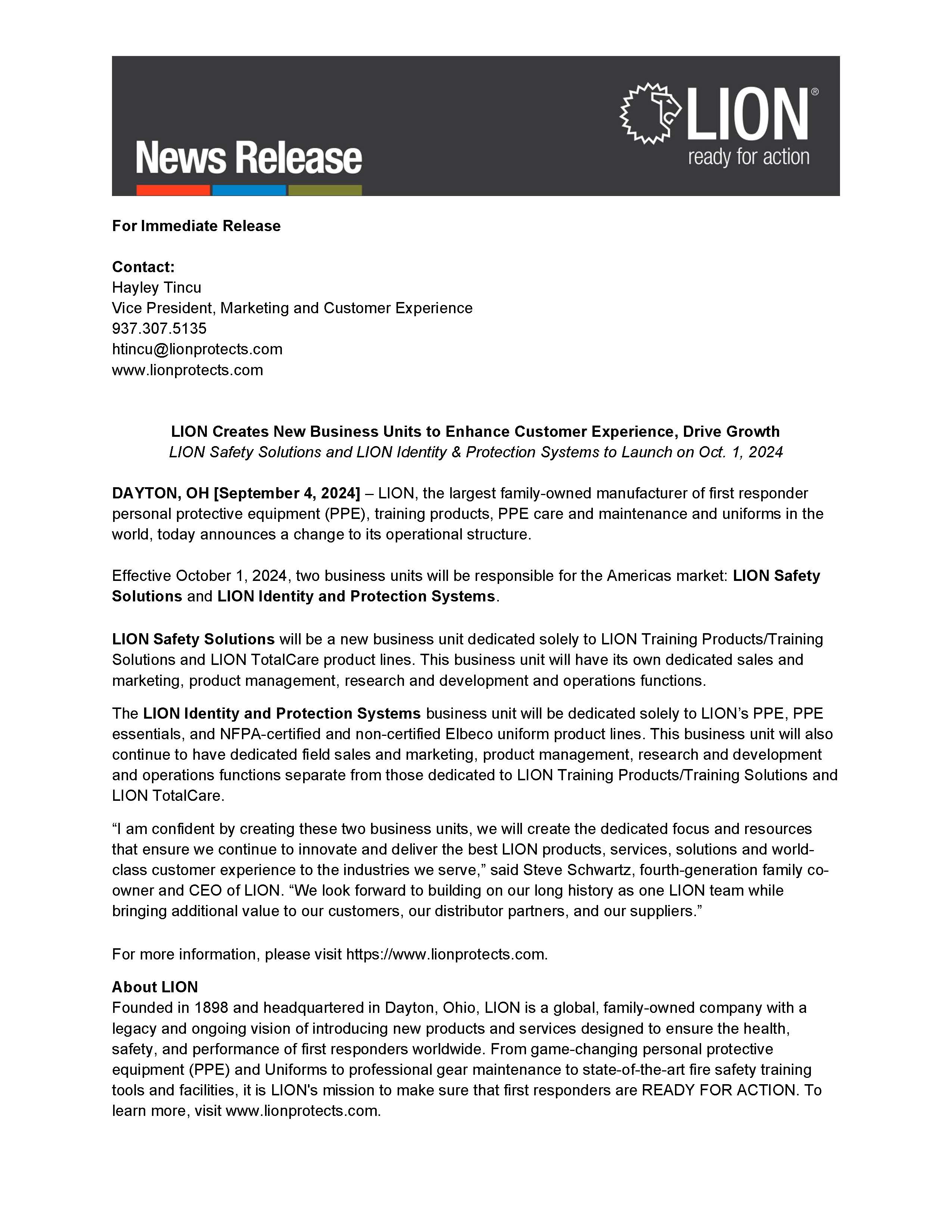
Fire departments have access to more training solutions than ever before. Live-fire props, digital fire simulators, extinguisher training systems, rescue dummies and modular training structures all serve different purposes. And each can strengthen firefighter preparedness when matched to the right training objectives.
Rather than asking which training prop is best overall, departments should focus on which equipment best supports their current program, operational goals and future growth. A department that wants to expand recruit training may have different priorities than one improving officer development or increasing live-fire repetitions.
The best value for teams comes from evaluating training needs, available facilities, staffing resources and long-term program development.
Start with Your Training Objectives
The most successful equipment purchases begin by identifying what the department is trying to improve.
For example, consider whether your department is primarily focused on:
- Building recruit fundamentals
- Increasing live-fire repetitions
- Improving fire extinguisher competency
- Expanding search and rescue training
- Developing officer decision-making
- Supporting continuing education throughout the year
- Preparing for specialty rescue operations
Each objective requires different types of training environments and equipment. Purchasing equipment simply because it is popular or because neighboring departments use it often results in underutilized tools.
Departments should instead identify the operational skills they want firefighters to practice more frequently and select equipment that supports those priorities.
Evaluate How You Train Today
Before investing in new equipment, assess your existing training program and understand the current gaps.
For example, a department with an established burn building may benefit more from digital simulation systems that increase training between live burns. Another department without permanent facilities may prioritize modular structures that create new training opportunities.Questions worth asking include:
- Which skills receive the least hands-on practice?
- Where do instructors struggle to create realistic scenarios?
- Which evolutions require the most setup time?
- Are firefighters receiving enough repetitions?
- Does our current facility limit what we can teach?
The right equipment fills gaps rather than duplicating existing capabilities.
Understanding the Different Types of Fire Training Props
Instead of viewing every training prop as competing with one another, it helps to think of each as serving a different purpose within a comprehensive training program.
Live-fire training props
Live-fire props provide realistic heat, flame behavior and suppression practice that prepares firefighters for working around actual fire conditions.
These props are commonly used to reinforce:
- Fire attack
- Hose advancement
- Nozzle control
- Fire behavior recognition
- Crew coordination
They remain an important part of firefighter training because they expose crews to conditions that cannot be fully replicated through classroom instruction alone.
Digital fire training systems
Digital systems allow departments to conduct suppression training more frequently without requiring live-fire setup for every evolution.
Solutions like ATTACK™ simulate changing fire conditions while allowing instructors to repeat scenarios efficiently and safely.
These systems are particularly valuable for:
- Reinforcing tactics between live burns
- Increasing annual training repetitions
- Supporting instructor-led scenario variation
- Reducing logistical complexity
- Limiting exposure to smoke and toxins
Rather than replacing live-fire training, digital systems help departments practice more often throughout the year.
Fire extinguisher training systems
Many departments provide extinguisher instruction for firefighters, municipal employees, schools, businesses and community outreach programs.
Fully digital systems like BullsEye™ create repeatable, environmentally responsible training that allows participants to react confidently to a fire without the mess of traditional exercises.
They work especially well for:
- Public education
- Recruit academies
- Industrial fire brigades
- Workplace safety programs
- Annual refresher training
Rescue manikins
Search and rescue training relies on realistic victim handling. SmartDummy™ rescue manikins allow departments to practice:
- Victim removal
- Stair carries
- Confined space rescue
- Vehicle extrication
- Rapid intervention scenarios
Rescue dummies are weighted to replicate real victims and give firefighters valuable hands-on experience in drags, carries and extrications. SmartDummy manikins also have a built-in VoiceBox that can record messages to simulate someone coughing, calling for help or directing rescuers to find other victims in a building.
Training structures
Training structures provide the environment where many of these skills come together.
Depending on the configuration, structures can support:
- Search and rescue
- Fire attack
- Ventilation
- Command exercises
- Multi-company operations
- Recruit training
- Officer development
For departments looking to expand training capacity, modular structures offer flexibility that can continue evolving alongside the department's needs.
Consider Your Facility and Staffing
The best equipment is the equipment your department can use consistently.
Before making a purchase, evaluate practical considerations such as:
- Available training space
- Instructor availability
- Storage requirements
- Setup and reset time
- Maintenance expectations
- Frequency of planned use
Some departments conduct weekly company drills, while others rely on regional training days or recruit academies. Equipment should fit the realities of your program rather than creating additional logistical challenges.
Think Beyond Today's Training Needs
Capital purchases often remain in service for many years, and departments should consider how today's investment will support future growth.
Questions to ask include:
- Will this equipment support recruit and veteran training?
- Can instructors create multiple scenarios?
- Will it remain useful as our department grows?
- Can it integrate with additional training systems later?
- Does it help increase training frequency?
Choosing flexible solutions allows departments to expand their programs over time instead of replacing equipment as training needs evolve.
Building a Well-Rounded Training Program
The strongest firefighter training programs combine multiple tools that reinforce different skills throughout the year.
For example, a department might use:
- Live-fire props for realistic suppression training
- ATTACK for frequent tactical repetitions between burn evolutions
- BullsEye for extinguisher competency and community education
- SmartDummy manikins for rescue training and scenarios
- Dedicated training structures to create realistic environments
Rather than viewing these solutions as individual purchases, departments can think of them as complementary components of a long-term training strategy that grows alongside their operational needs.
Invest in Training That Grows With Your Department
Receiving capital funding presents an opportunity to strengthen firefighter preparedness for years to come. The most successful investments are guided by clear training objectives, realistic operational requirements and a long-term vision for program development.
By evaluating how each type of training prop supports different skills and scenarios, departments can build a balanced training program that increases repetition, improves realism and prepares firefighters for the wide range of challenges they face throughout their careers.
Frequently Asked Questions
Which firefighter training props should a department purchase first?
The answer depends on your training objectives. Departments should identify gaps in their current program and prioritize equipment that supports the skills they need to practice more frequently.
How do digital fire training systems compare to live-fire props?
Digital systems increase opportunities for realistic, repeatable training between live-fire evolutions, while live-fire props expose firefighters to actual heat and fire behavior. Many departments use both as complementary tools.
What firefighter training equipment offers the most flexibility?
Training structures, digital fire simulators and rescue dummies typically support a wide variety of scenarios and can be incorporated into recruit, company and advanced training programs.
Can departments build a training program over time?
Yes. Many departments expand their training capabilities gradually by investing in equipment that addresses immediate priorities while supporting future program growth.
How do I choose training equipment that works with my existing facility?
Start by evaluating your available space, instructor resources, training frequency and operational goals. The best equipment complements your existing facilities and helps address current training gaps rather than duplicating capabilities.
Related posts
Popular posts
.jpg)