Why Moisture Management Matters in Turnout Gear
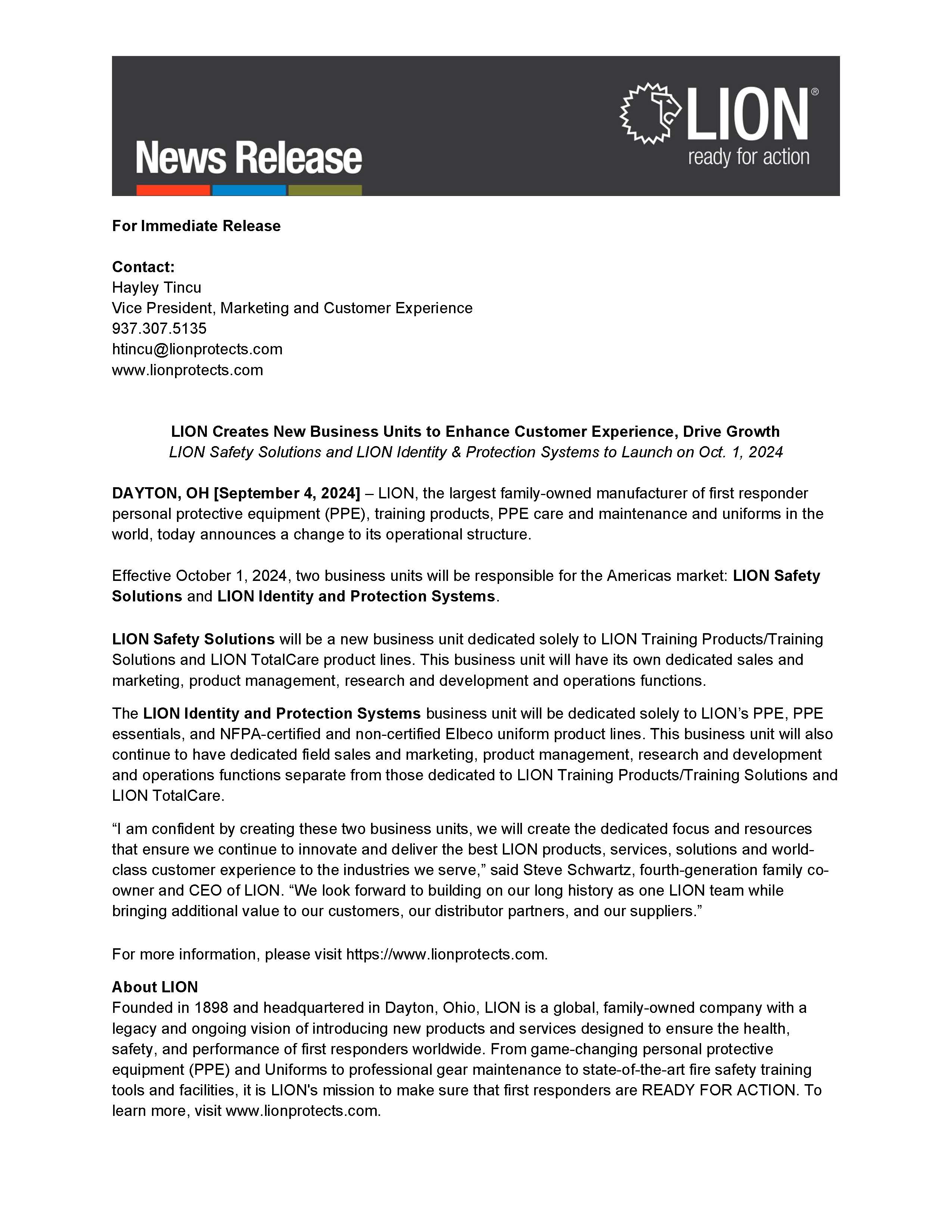
Firefighters face changing conditions throughout the year, but one challenge remains constant: managing moisture inside turnout gear. Heat, sweat, rain, snow, and changing temperatures can all affect how firefighters experience their PPE during a call. During hot summer incidents, heat and sweat can quickly build up. As temperatures cool, moisture that remains inside the gear can leave firefighters feeling cold, uncomfortable, and weighed down.
Moisture management is an important part of turnout gear performance. The right combination of protective materials and moisture barriers can help manage moisture while providing the protection and performance firefighters depend on, helping them stay more comfortable through changing conditions and demanding calls.
WHY MOISTURE MANAGEMENT MATTERS
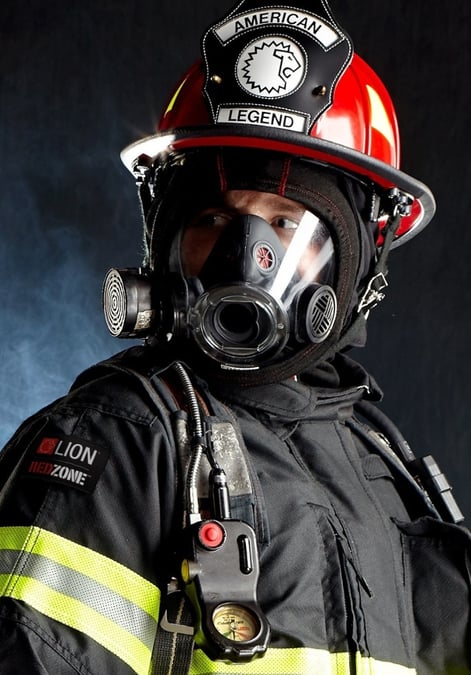
Firefighters can generate significant body heat during even a short incident. Add heavy PPE, physical exertion, high ambient temperatures, and humidity, and moisture can quickly become a factor. Sweat that becomes trapped inside turnout gear can contribute to discomfort, fatigue, and heat stress.
Those challenges don't disappear when temperatures drop. During cooler weather, rain, snow, and wet conditions can leave gear damp and uncomfortable, especially when firefighters move between the fireground, apparatus, and station. Effective moisture management helps PPE perform as intended across changing conditions while supporting firefighter comfort during long shifts and demanding calls.
PROTECTION AND MOISTURE MANAGEMENT WORK TOGETHER
Turnout gear has to do more than keep firefighters dry. It must provide protection from heat, flames, water, and other hazards encountered on the fireground. That makes moisture management a matter of more than comfort. It is part of how PPE performs in real-world conditions.
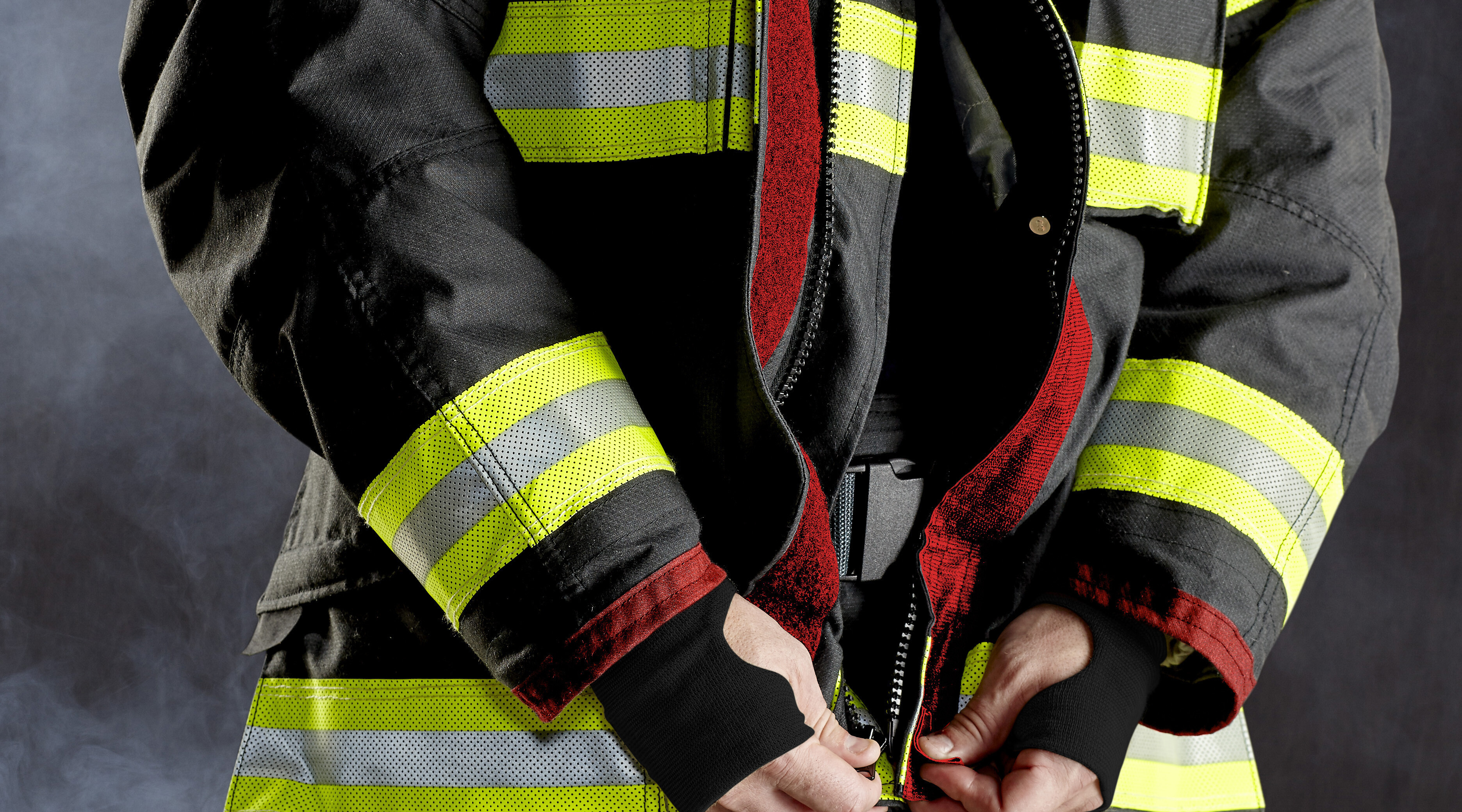
Modern turnout gear uses multiple layers and materials designed to work together. The outer shell, moisture barrier, and thermal liner each serve a specific purpose while contributing to the overall performance of the garment. When these components work together, firefighters can have the protection they need while helping manage moisture and unnecessary weight.
LION’s IsoDri® Moisture Management System takes this approach a step further by helping turnout gear stay lighter and dry faster. IsoDri is designed to reduce water intake, while a wicking facecloth helps move perspiration away from the body for faster drying. Its moisture-resistant thermal insulation helps resist absorption, allowing the thermal barrier to function as designed. Together, these features help firefighters stay more comfortable while maintaining the protection they rely on.
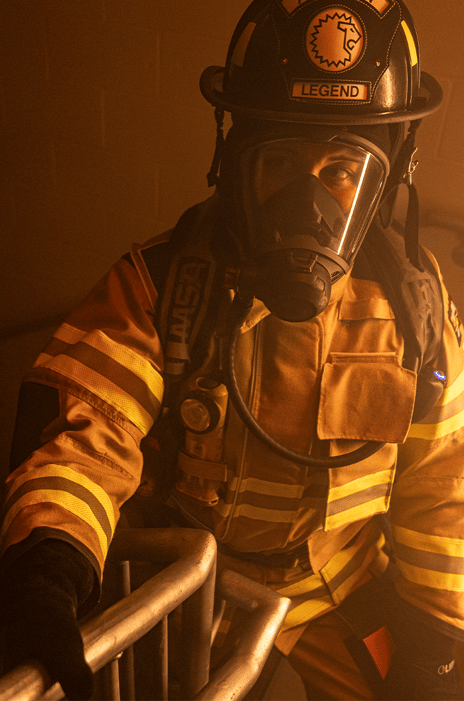
That balance becomes especially important as firefighters move through different environments during a call. A firefighter may begin an incident in hot, humid conditions, move inside a structure where temperatures are significantly higher, and later return to cooler outdoor conditions. PPE needs to continue performing through all of those changes.
WHAT TO LOOK FOR IN TURNOUT GEAR
Moisture management is one consideration when evaluating turnout gear, but it shouldn't be viewed in isolation. Firefighters also need gear that supports mobility, fit, durability, and overall performance.
When considering turnout gear, look for:
- Moisture management: Materials and construction that help manage moisture during demanding operations.
- Mobility: A design that allows firefighters to crawl, climb, reach, and move without unnecessary restriction.
- Fit: Proper fit that supports movement and keeps the gear positioned as intended.
- Durability: Construction designed to withstand the repeated demands of the fireground.
- Comfort: Features that help reduce unnecessary bulk, weight, and discomfort during extended wear.
When these elements work together, PPE can provide a better balance between protection and performance. That balance is particularly important when firefighters are working for extended periods or facing changing conditions throughout an incident.
DESIGNED FOR THE DEMANDS OF THE FIREFROUND
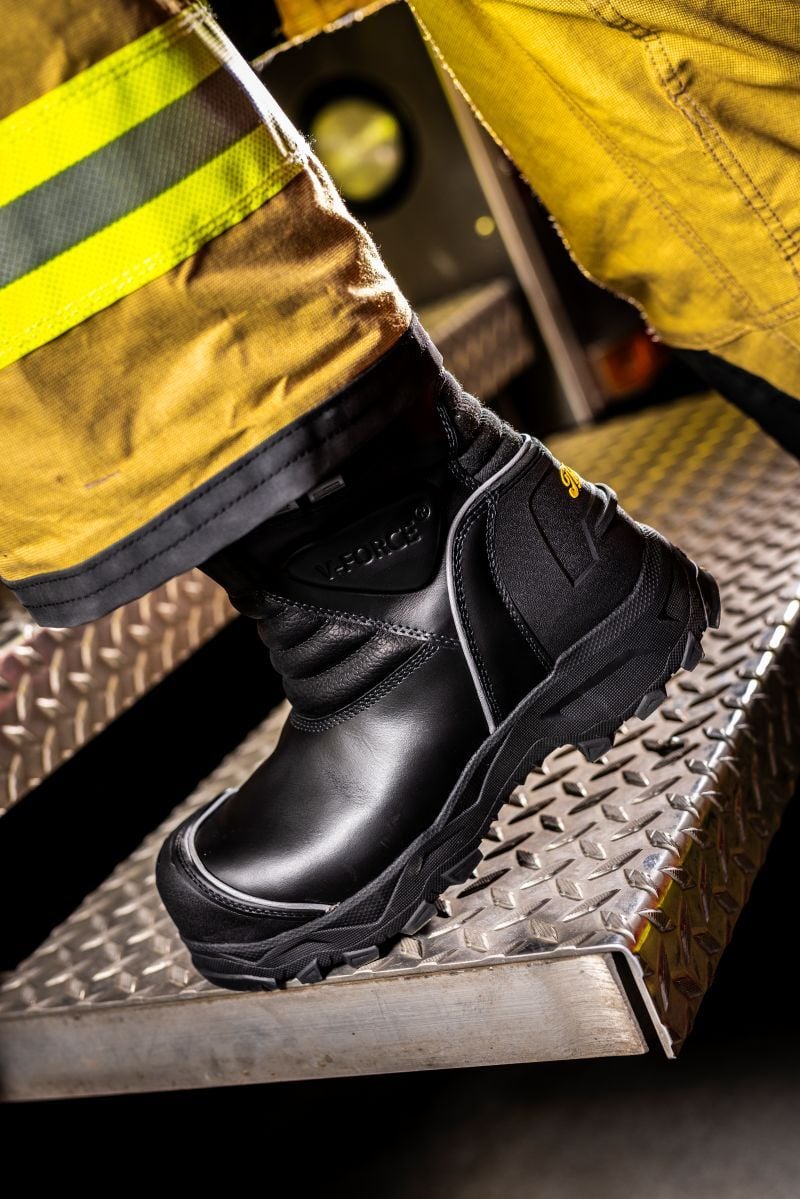
That focus on performance is reflected in the design of LION V-FORCE® EVO™ Structural Turnout Gear. Built around a mobility-focused approach, V-FORCE EVO is designed to move with firefighters as they crawl, climb, reach, and operate on air.
Its balanced design helps distribute the weight of the gear, while the cut and construction are designed around the movements firefighters make on the job. Moisture management is another part of the overall design, helping address the conditions firefighters encounter while wearing their gear.
The goal isn't simply to add individual features. It is to create turnout gear where protection, mobility, comfort, and performance work together.
BUILT FOR CHANGING CONDITIONS
Firefighters don't get to choose the weather conditions they encounter. A call can begin on a hot summer afternoon and end after dark, or a winter response can involve snow, rain, and rapidly changing temperatures.
That's why moisture management should be considered alongside protection, mobility, fit, and durability when selecting turnout gear. PPE needs to perform across the conditions firefighters face, while helping them stay comfortable and focused on the job.
From the first call of a hot summer day to a cold-weather response, turnout gear should be ready to perform when it matters most. LION designs PPE around the realities of the fireground, helping firefighters stay protected, mobile, and READY FOR ACTION.
©2026 LION Group, Inc.
-1-1.jpg)
-1.jpg)
Popular posts

.jpg)