Protecting Those Who Protect Us
Every January, the fire service and the broader safety community observe Firefighter Cancer Awareness Month to bring attention to one of the greatest long-term risks firefighters face. Firefighters dedicate their lives to saving others, but repeated exposure to toxic smoke, particulate matter, and hazardous chemicals puts them at a significantly higher risk of cancer when compared to the general population. Raising awareness, promoting prevention, and supporting early detection can make a real difference in saving lives.
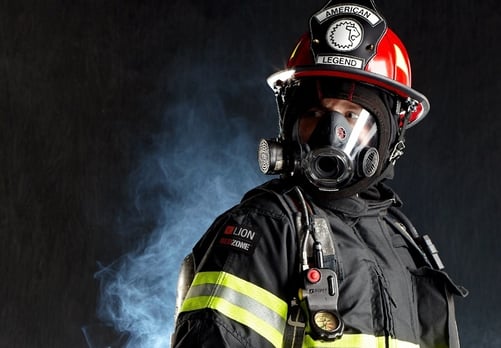
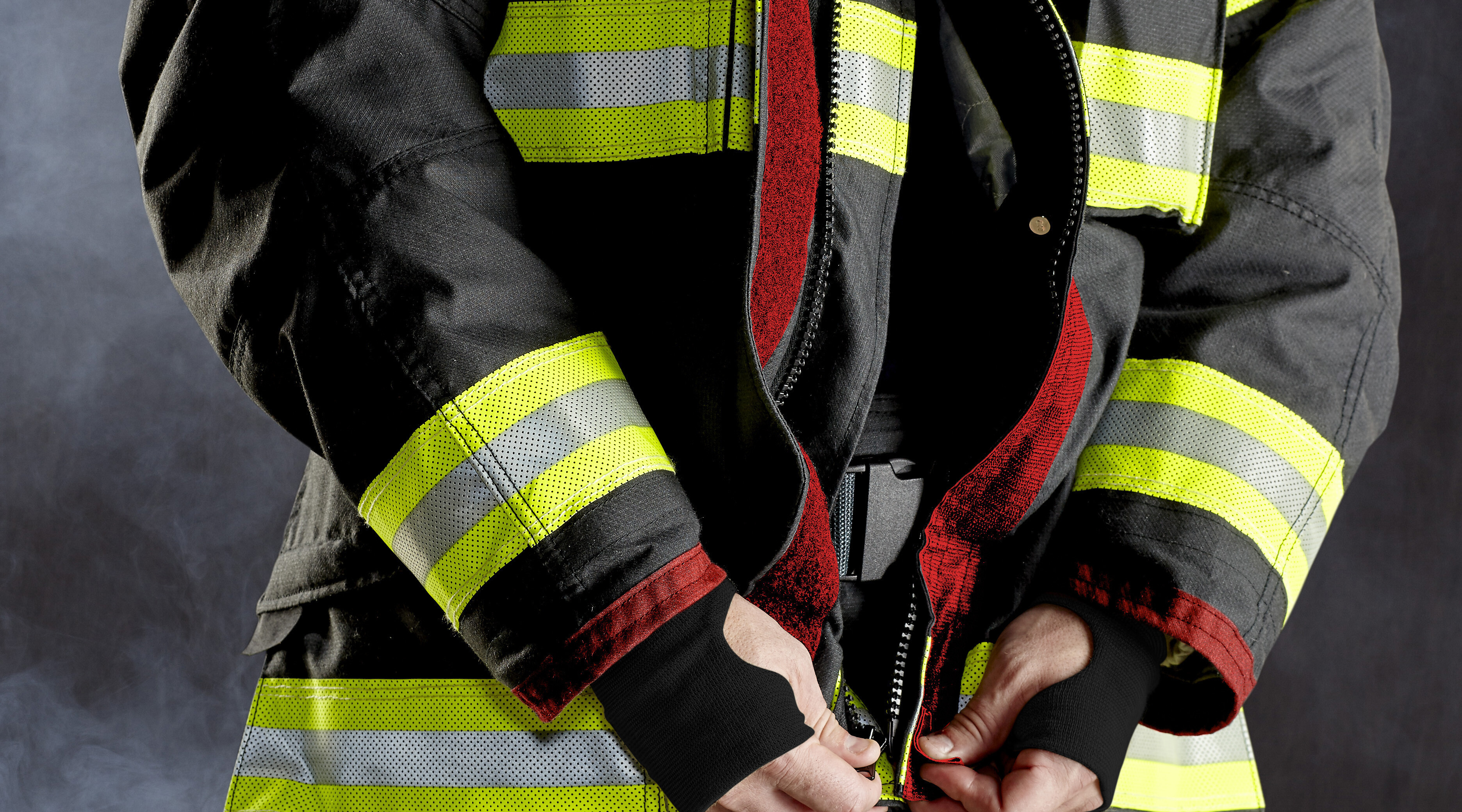
-1.jpg?width=521&height=355&name=LION%20RedZone_%20Nano_%20Flex%20Particulate%20Hood_Hero_162%20(mid-res)-1.jpg)
Why Cancer Awareness Matters in the Fire Service
Cancer has become the leading cause of line-of-duty deaths among firefighters. Studies show firefighters are more likely to develop certain cancers and have higher cancer-related mortality than individuals in many other professions. This elevated risk stems from occupational exposure to carcinogens found in combustion byproducts, building materials, chemicals, and contaminated gear.
During Firefighter Cancer Awareness Month, fire service organizations and advocacy groups focus on actionable strategies for reducing exposure, improving health monitoring, and encouraging early screening practices that support long-term firefighter health.
Reducing Risk Starts with Gear
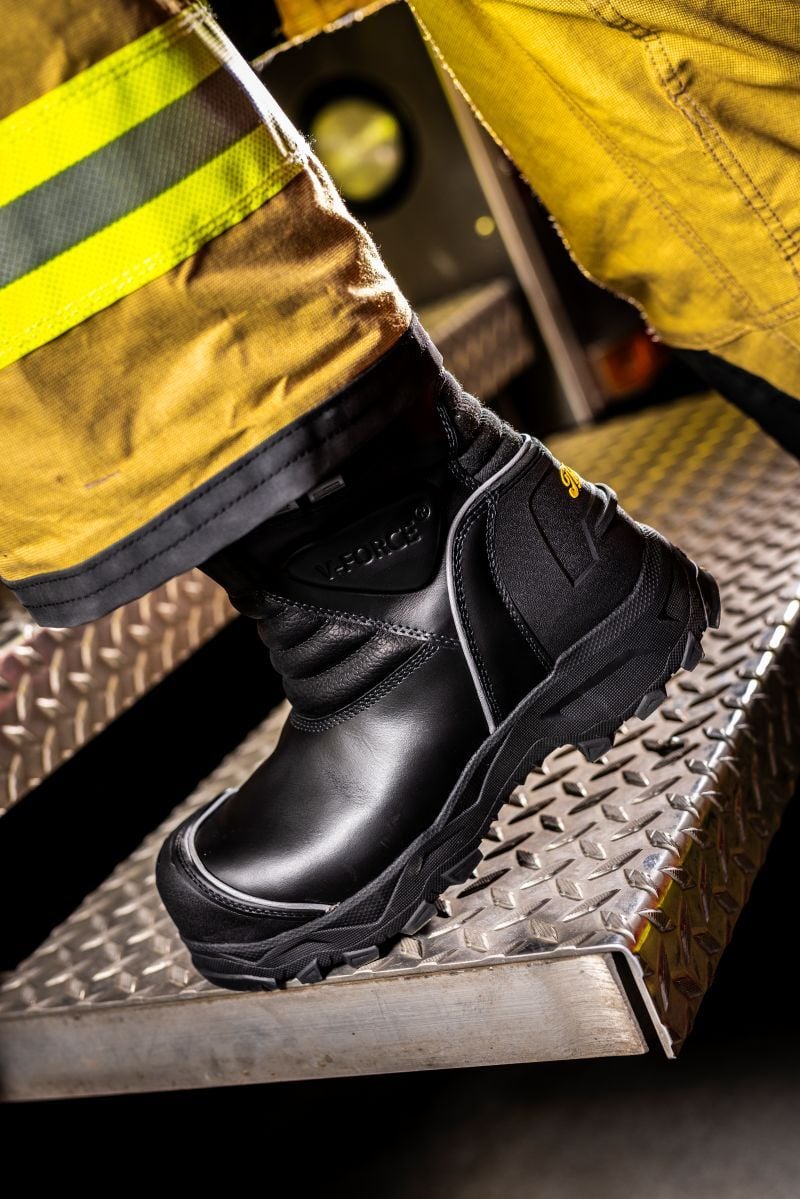
Minimizing contact with harmful particulates is a key component of cancer prevention in the fire service. While no gear can eliminate risk entirely, advances in protective gear help reduce what firefighters carry home on their bodies and into their lungs.
At LION, we’ve engineered RedZone Particulate Blocking Gear to help address this concern head-on:
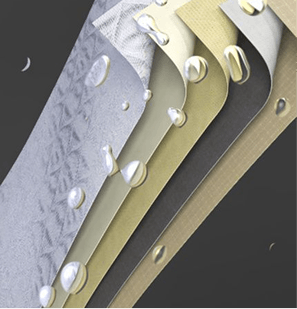
- RedZone Particulate Blocking Turnouts are designed to block fine particulate contamination from reaching the skin and inner layers of gear, reducing exposure during and after fireground operations. These turnouts prioritize particulate mitigation while delivering trusted thermal protection. Learn more
- RedZone Particulate Blocking Hoods offer an added layer of defense where it matters most, helping prevent microscopic contaminants from contacting the neck and head area. Discover details
Incorporating particulate blocking technology into your department’s standard gear setup can help limit dermal and respiratory exposure to cancer-causing agents and support long-term health outcomes for firefighters.
More Ways to Fight Exposure
Beyond gear, there are several other effective steps departments and individuals can take:
- Wear SCBA consistently during overhaul and cleanup, not just during active fire suppression. Incomplete respiratory protection is linked to increased cancer risk. NFPA
- Establish decontamination protocols for gear, tools, and apparatus after every call to reduce carry-off contamination. Regular cleaning helps remove particulates that sit on surfaces and clothing. Miami's Community News
- Promote regular health screenings and support firefighters in early detection efforts. Early identification of abnormalities can improve treatment outcomes significantly. Radiméd
- Encourage firefighters to join registries and research initiatives that track occupational exposures and cancer outcomes. The more data researchers collect, the better they can understand risks and develop prevention strategies.
Take Action This January
Firefighter Cancer Awareness Month is more than a date on the calendar. It’s an invitation to take a closer look at how we protect firefighters — on the fireground and for the decades after service. By investing in better equipment, emphasizing best practices, and supporting each other’s health and wellness, we honor those who run toward danger every day.
At LION, we’re committed to equipping the fire service with gear that advances protection against the invisible threats firefighters face. Learn more about how RedZone Particulate Blocking Gear can be part of your cancer risk reduction strategy:
Stay safe this January, and all year long.
© 2026 LION Group, Inc.
-1-1.jpg)
-1.jpg)
Popular posts
.jpg)